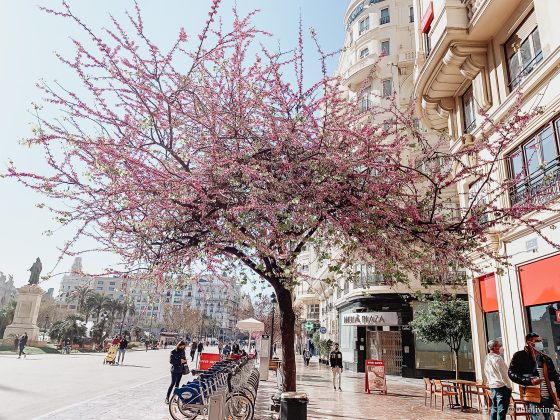
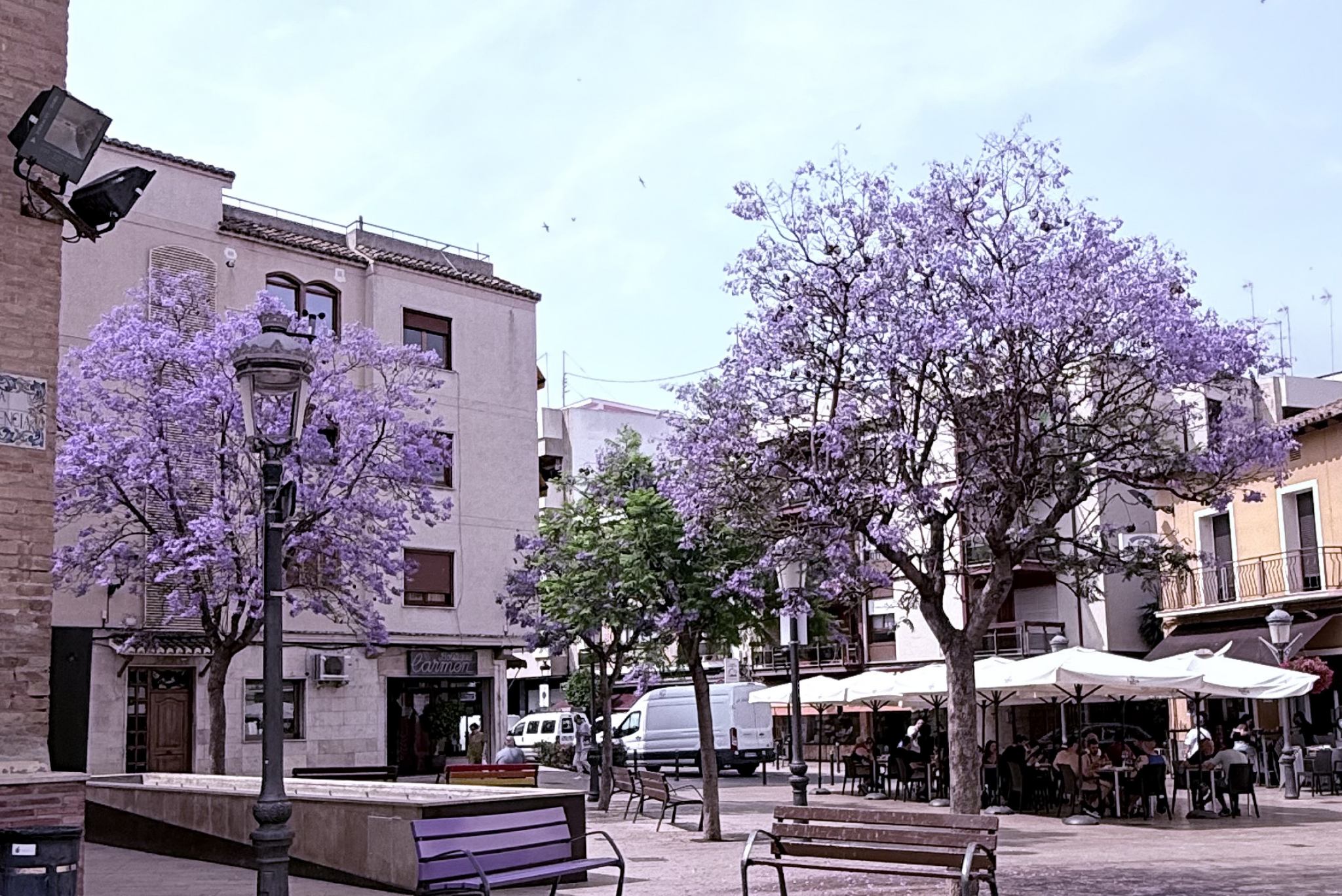
Thinking about living near Valencia but not in the city itself? You are not alone. Many families discover that the real magic of Valencia happens just beyond the city limits, in green suburbs and small towns where children play in quiet streets, neighbours know each other, and international schools are a short drive away. In this guide, I will walk through what family life really looks like in the outskirts of Valencia, the most popular areas to consider, and how to decide which suburb fits your family best.
From classic family towns like L’Eliana and La Cañada to coastal options such as Alboraya and Puçol, each area has its own rhythm, budget, and community. If your goal is living in Valencia outskirts with family, this is your starting point to understand how it all fits together.
Why Choose the Outskirts Instead of the City?
Valencia city is wonderful, but for many families, the centre can feel busy, noisy, and short on outdoor space. The outskirts, by contrast, offer larger homes, quieter streets, and often the dream combination of a garden and a private or community pool. You are still close enough to enjoy the Turia gardens, the beach, and the old town, but you come home to a calmer, more residential environment.
Daily life in these areas tends to revolve around schools, sports, and local fiestas. Children cycle around quiet streets, meet friends at the community pool, and join football or dance classes at municipal sports centres. Parents find it easier to meet other families at school drop-off, weekend markets, and town festivals. For many expats, this “small-town within reach of a big city” mix is what makes living in Valencia outskirts with family so appealing.
Another major advantage is education. Many of Valencia’s best-known international and bilingual schools are actually outside the city, clustered around Paterna, Rocafort, Bétera, and Puçol. If you already know you want a British, bilingual, or French curriculum, living near these school hubs can make your weekdays far easier.
L’Eliana: The Classic Family Town
L’Eliana is often one of the first names that comes up when families research where to live near Valencia. It has the feel of a lively small town with its own identity, yet it is well linked to the city by the CV-35 and metro lines. Around the central town you will find residential areas filled with chalets, many with private gardens and pools, and plenty of green corners for kids to play.
One of the reasons L’Eliana works so well for families is the balance between services and calm. There are supermarkets, local shops, restaurants, and a popular municipal sports centre with pools and courts, so you do not need to head into Valencia every time you need something. At the same time, the atmosphere is relaxed and very child friendly. Weekends often mean strolling to the square for an ice cream, visiting a local market, or meeting friends for a barbecue at home.
In terms of schooling, L’Eliana sits in a strategic position near several bilingual and international schools along the CV-35 corridor. Many families use school buses or short car trips, which keeps the school run manageable even with more than one child. For commuting parents, the combination of metro and road access makes L’Eliana one of the best-known choices for living in Valencia outskirts with family.
La Cañada (Paterna): Green, Calm, and School-Focused
La Cañada, in the municipality of Paterna, is another favourite area for families, particularly those with school-age children. It is known for its tree-lined streets, detached houses, and proximity to the La Vallesa forest, which gives the area a very green and peaceful character. Despite this, you are not isolated: the metro runs directly into Valencia, which is a big plus for older children and teenagers who want more independence.
A typical home in La Cañada might be a chalet with a garden and pool, or a house inside a quiet urbanización with shared facilities. Because so many families live here, the local social life tends to revolve around school friends, parks, and sports clubs. It feels residential and safe, the kind of place where you quickly get used to seeing the same faces on the school run and at the local bakery.
British College La Cañada, El Plantío International School, and the main campus of Lycée Français are all within easy reach, alongside Spanish and concertado schools. This concentration of education options, plus the metro connection, makes La Cañada one of the strongest candidates if your priority is combining an international education with living in Valencia outskirts with family.
Rocafort, Campolivar and Santa Bárbara: Elegant Suburbs Close to the City
North of Valencia, Rocafort and nearby residential areas like Campolivar and Santa Bárbara are known for their elegant chalets, leafy streets, and strong international presence. These areas feel a little more “old established suburb” than newly built estate, with mature gardens and quiet avenues, and they are a popular choice among both Spanish and expat families.
Living here, you benefit from very quick access into Valencia by road and, in Rocafort’s case, by metro. This means you can work in the city, enjoy cultural events in the evening, and still be home in time for dinner in the garden. Many homes come with pools and large outdoor spaces, so family life often spills outside for much of the year.
From an education point of view, Rocafort and its surroundings sit within a dense network of international and bilingual schools in Godella, Paterna, and Bétera. School buses and short car journeys are part of the routine, but you are not looking at long commutes. Because so many international families choose this area, it can feel easier to settle in if you are new to Spain and still building your language skills.
Bétera, Mas Camarena and Torre en Conill: Resort-Style Family Living
A little further out, Bétera and the nearby urbanizaciones of Mas Camarena and Torre en Conill offer a slightly different experience. Here you find residential developments built around golf courses, clubhouses, and large communal facilities, which gives daily life a resort-style feel. Many streets are calm and low-traffic, ideal for children to ride bikes and play outside.
Families who move here often do so because of the combination of housing and services. A typical urbanización might include a community pool, tennis courts, and social clubs, which become natural meeting points for both children and adults. At the same time, you are close to nature and the countryside, so weekend walks or bike rides are easy to plan.
Mas Camarena School is one of the key attractions in this area, alongside other international and bilingual schools accessible via short drives or school buses. Driving times into Valencia are usually around 20–30 minutes, depending on traffic, which many families find acceptable in exchange for more space and facilities. For those who like the idea of living in Valencia outskirts with family in a more “club-like” environment, this corridor is worth serious consideration.
Náquera and Inland Nature Towns: Forest, Views and Quiet
If your dream is to live surrounded by nature, with mountain views and forest trails on your doorstep, inland towns such as Náquera might be the right choice. Located near the Sierra Calderona natural park, Náquera offers a very different feeling from the urban centre of Valencia. Houses here tend to be detached chalets on larger, often wooded plots, with plenty of space for children to explore.
Life in these areas is slower and quieter. You may need to drive more, both for school and for work, but in exchange you get clean air, open views, and an environment that appeals to outdoor-loving families and remote workers. It is common to spend weekends hiking, enjoying barbecues at home, or visiting nearby viewpoints.
Schooling usually involves a drive of 25–30 minutes to international schools such as Cambridge House, Iale, or Elian’s, or using school buses where available. The daily logistics are different from living in a metro-connected suburb, but for some families the connection to nature is worth the extra planning.
Torrent, Calicanto and the Western Outskirts: Space and Value
To the west of Valencia, the town of Torrent and nearby urbanizaciones like Calicanto provide another option for families. These areas are often chosen by families looking for more space at a relatively more accessible price compared with some of the northern suburbs. Housing tends to be suburban, with chalets and houses with gardens, sometimes within large residential developments.
The atmosphere in these urbanizaciones is family-oriented and calm, with shared pools, sports areas, and local social life focused around community facilities. Many children grow up in and around community pools, sports clubs, and school-related activities, which helps them build long-term friendships.
In terms of education, one of the most notable schools in this area is Entrenaranjos International School in Calicanto, along with other options in and around Torrent. Commuting times into Valencia are similar to some northern suburbs, and school buses can ease daily logistics. If your priority is living in Valencia outskirts with family while keeping an eye on budget, this side of the city is worth exploring.
Coastal Outskirts: Alboraya, Puçol and Los Monasterios
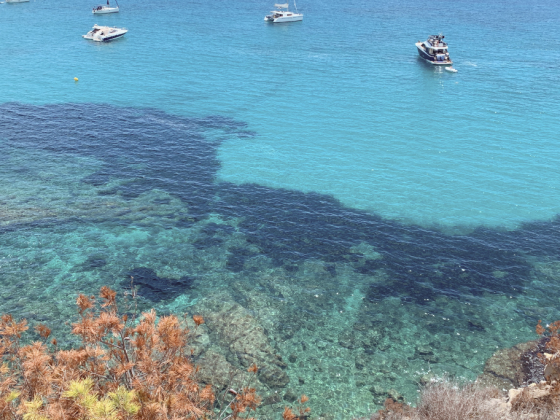
For families who cannot imagine living far from the sea, the coastal outskirts north of Valencia can be very attractive. Alboraya sits just above Valencia and is known for its beaches, orchards, and family-friendly feel. It retains the charm of a coastal town while being close enough to reach the city by metro or bike, which makes it easy to enjoy both beach life and urban amenities.
Further north, Puçol and the nearby gated community of Los Monasterios offer a more residential, green, and premium environment. Many homes there are large chalets with gardens and pools, and the development includes sports and social facilities that make it a popular choice among international families. Beach access and sea views are part of everyday life.
Caxton College, one of the best-known British schools in the region, is located in Puçol, which is a major draw for families considering this area. Living nearby means shorter commutes for children and easy access to school-related activities and social circles. For those dreaming of living in Valencia outskirts with family and hearing the sea in the background, this coastal belt is a strong candidate.
Schools and Education: A Key Reason to Choose the Outskirts
For many families, schooling is the main reason to live outside the city. A large number of Valencia’s international, bilingual, and concertado schools are located in or near the suburbs mentioned above. You will find British curriculum schools, Spanish–English bilingual schools, and French options, as well as local public schools in each town.
The main clusters include Paterna and La Cañada, with schools such as British College La Cañada, El Plantío, and Lycée Français; L’Eliana with several bilingual options; Bétera with Mas Camarena; Godella and Rocafort with international schools serving the northern belt; and Puçol with Caxton College. Many of these schools run buses that cover nearby urbanizaciones, which can significantly simplify the school run.
When choosing a suburb, it is important to think about the type of education you want and how far you are willing to travel each day. Some families opt for a local public school in their town to integrate more quickly into Spanish and Valencian life, then move to an international or bilingual school for secondary education. Others choose an international route from the start and pick their home based on school access. There is no single right answer, but in Valencia’s outskirts, you will have options.
Everyday Life: Transport, Services and Community
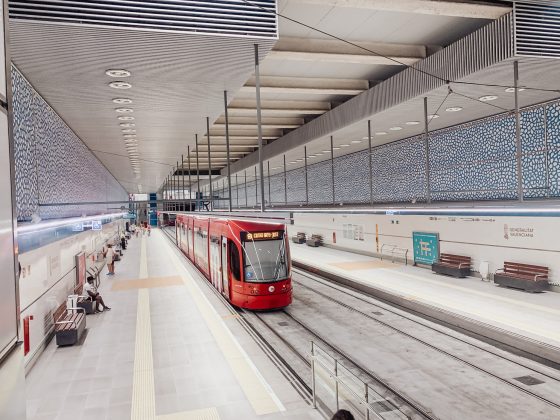
Living in the outskirts does change some of your daily patterns compared with living in the city centre, but not always in the way you might expect. Areas like L’Eliana, La Cañada and Rocafort have metro connections into Valencia, which means teenagers can travel into the city on their own and adults can commute without depending entirely on the car – if you are new to the system, my essential guide to public transport in Valencia will help you understand how the metro, buses and trams work. Other areas, such as Bétera’s urbanizaciones or inland towns like Náquera, rely more on car travel and major roads like the CV-35 or A-7.
Most family suburbs have everything you need for everyday life: supermarkets, pharmacies, medical centres, cafés, and small shops. You might still go into Valencia for bigger shopping days, concerts, or special appointments, but your weekly routine will probably stay local. Large shopping centres such as the Kinépolis area in Paterna add cinemas and bigger stores to the mix, again without needing to go into the city centre.
Community is one of the biggest hidden benefits of living in Valencia outskirts with family. In many urbanizaciones and small towns, you quickly recognise people at school, at the pool, or at the local café. Children make friends easily through school and sports, and parents often find their first network through those same channels. Even if you arrive speaking little Spanish, you can build connections in international school communities while gradually integrating with local families.
Outskirts vs City: Which Fits Your Family?
When deciding between Valencia city and its outskirts, it helps to be honest about your priorities. If you value space, a garden, quiet streets, and being close to international schools, the outskirts are likely to feel more comfortable. You will probably use a car more, but in return you get room for kids to play outdoors and a strong local community.
If, however, you prefer to live car-free, be surrounded by restaurants and nightlife, and walk or cycle everywhere, central neighbourhoods in Valencia might suit you better, at least for a few years. The city offers fantastic public transport, the Turia park, and easy access to the beach, but in most central areas you will be living in a flat with limited outdoor space.
Many families follow a hybrid path. They start life in the city, get to know Valencia, and then move to the outskirts when children reach school age and they feel ready for a more settled, suburban rhythm. Knowing that there are so many options around Valencia makes it easier to adjust as your family’s needs change.
How to Choose the Right Area for You
To narrow down your search, start with a few key questions. How important is walking distance to school compared with using the car or a school bus every day? Do you want a metro stop nearby, or are you comfortable driving into Valencia when you need to? Are you dreaming of a large chalet with a pool and garden, or would you rather have a smaller, low-maintenance home close to a park and town centre?
Your lifestyle preferences also matter. If you see your family enjoying village life with markets and plazas, L’Eliana or La Cañada may feel right. If you prefer more exclusive, gated communities with clubs and golf courses, look at Mas Camarena, Torre en Conill, Santa Bárbara, or Los Monasterios. If nature walks are non-negotiable, consider Náquera and other inland towns by Sierra Calderona. And if you cannot imagine life far from the sea, Alboraya or Puçol become natural options.
Finally, be realistic about your budget, both for renting and buying. Some of the more established or gated communities command higher prices, while other suburbs and towns give you more house for your money. A good strategy is to shortlist three or four areas that match your priorities, then spend time there at different times of day to see how they really feel.